
Web design is the technical and creative discipline of planning, structuring, and arranging the visual layout, interactive behaviors, and content of a website to communicate a brand's message and guide users toward action. It is not the same as web development, and confusing the two costs small business owners time and money. Understanding what web design means, and why it matters, is the first step toward building an online presence that actually works for you.
What does web design mean, exactly?
Web design encompasses visual design, user experience (UX) design, and user interface (UI) design to make sure visitors can find, understand, and act on your content. Think of it as the architecture of your website. Just as a physical store layout guides customers toward the checkout, your website's design guides visitors toward a purchase, a phone call, or a sign-up.
The definition of web design covers decisions about color schemes, typography, imagery, page layout, and navigation structure. It also includes how a site responds to different screen sizes, a concept called responsive web design. Every visual and structural choice either helps or hurts your visitor's experience, and that experience directly affects whether they stay or leave.

Web design is not graphic design. Graphic designers create static visuals, while web designers handle fluctuating content, user interactions, and dynamic systems that change based on user behavior. A logo is graphic design. The page that displays that logo, with its navigation menu, call-to-action buttons, and mobile layout, is web design.
Pro Tip: Before you hire anyone or open any design tool, write down the one action you want visitors to take on your site. Every design decision should support that single goal.
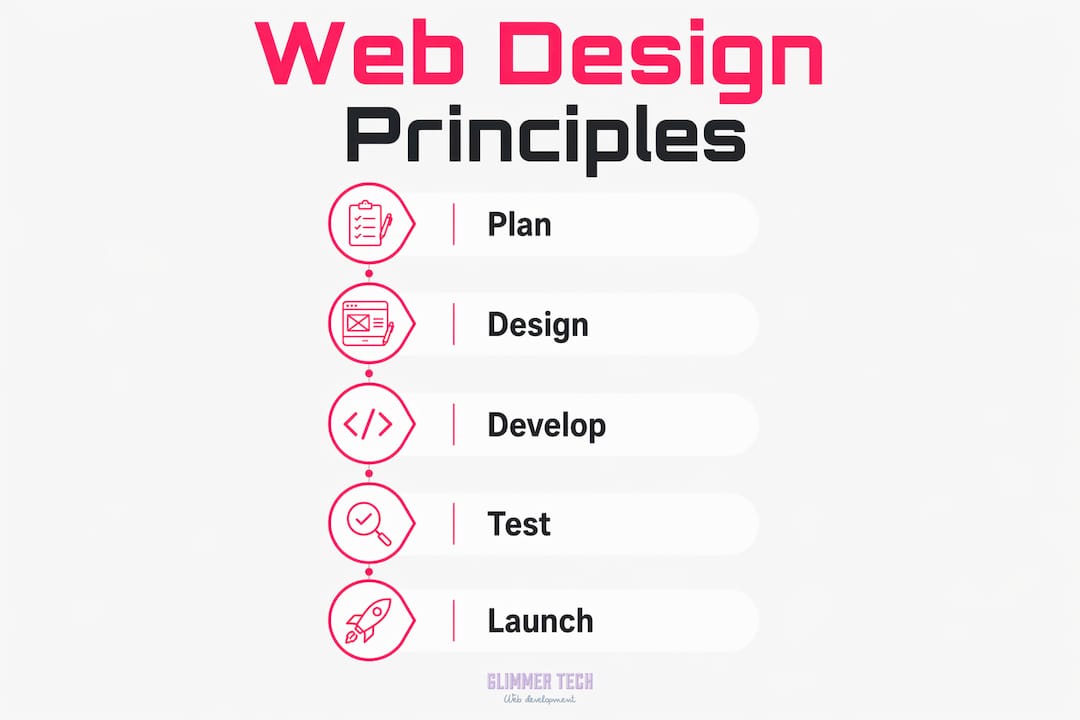
What are the fundamental elements and principles of web design?
Web design decisions integrate graphic design principles adapted for screens, combined with technical constraints and interactive possibilities. The result is a set of core elements that every effective website shares.
- Layout and visual hierarchy: The arrangement of content on a page tells visitors what to read first. Headlines, subheadings, and call-to-action buttons should follow a clear visual order so the eye moves naturally toward the most important information.
- Color and typography: Color sets the emotional tone of your brand. Typography affects readability and trust. A site using inconsistent fonts or clashing colors signals unprofessionalism before a visitor reads a single word.
- Navigation and information architecture: Navigation design determines how easily users move through your site. Poor navigation is one of the top reasons visitors leave without converting.
- Imagery and media: Photos, videos, and icons support your message. Low-quality or irrelevant images undermine credibility just as quickly as poor copy does.
- Accessibility and usability: Good web design prioritizes usability and accessibility to serve all users, including those with disabilities. This means readable font sizes, sufficient color contrast, and keyboard-navigable menus.
- Responsive design: Your site must work on phones, tablets, and desktops. Adapting layouts for different devices is not optional. Mobile traffic accounts for the majority of web visits across most industries.
Pro Tip: Design for your least tech-savvy visitor. If they can find what they need in under three clicks, your design is working.
How does web design impact user experience and business success?
Web design serves as a foundational growth engine, not a one-time project. A well-designed site communicates stability and relevance the moment someone lands on it, which leads to higher conversion rates and stronger brand equity over time. This is the core of the importance of web design for any business operating online.
"Web design is not just aesthetics. It is a strategic asset that acts as a business's most important salesperson online." — GoDaddy Resources, 2026
Visitors form a judgment about your website within milliseconds. If the design looks outdated, cluttered, or confusing, they leave. That first impression is almost entirely visual, which means your design is doing the selling before your copy even gets a chance. A site that loads fast, looks clean, and makes the next step obvious converts more visitors into customers.
The connection between design and conversion is direct. Effective design prioritizes information architecture and conversion paths before aesthetics. Businesses that treat web design as a marketing function rather than a one-time expense see compounding returns. Each improvement to navigation, page speed, or visual clarity adds up to measurable gains in leads and sales.
For small business owners, this means your website is not a digital brochure. It is a 24-hour sales tool. A site that confuses visitors costs you real revenue. A site that guides them confidently toward a decision earns it.
What is the difference between web design and web development?
The distinction between web design and web development is one of the most common sources of confusion when hiring for a website project. Knowing the difference protects your budget and sets clear expectations.
| Aspect | Web Design | Web Development |
|---|---|---|
| Focus | Visual layout, UX, UI, and user flow | Code, databases, and server-side functionality |
| Primary tools | Figma, Adobe XD, Sketch, Canva | HTML, CSS, JavaScript, PHP, Python |
| Deliverables | Wireframes, mockups, style guides | Working website, CMS integration, APIs |
| Core skill set | Visual communication, empathy, psychology | Logic, programming, system architecture |
| Collaboration role | Defines how the site looks and feels | Builds what the designer specifies |
The strict distinction between web design and web development is critical to avoid communication gaps during hiring or collaboration. A web designer who cannot code and a developer who cannot design are both normal. Many successful websites are built by a team where each role is separate.
When you hire a freelancer or agency, ask specifically whether they handle design, development, or both. Some professionals do both and are called full-stack designers or design-developers. Others specialize in one area. Misunderstanding this leads to projects where the site looks great but breaks on mobile, or functions perfectly but looks generic and unconvincing.
The practical takeaway: if you need a new website, you likely need both disciplines. Start with design to define the user experience, then move to development to build it.
How to approach web design for your small business
For small businesses approaching web design, the most effective starting point is clarity about goals, audience, and budget before touching any tool or hiring anyone. Here is a practical sequence to follow:
- Define your business goal. What do you want the site to do? Generate leads, sell products, book appointments, or build credibility? Your answer shapes every design decision.
- Identify your audience. Who is visiting your site? Their age, device preferences, and technical comfort level determine how simple or complex your design needs to be.
- Audit your existing presence. If you already have a site, look at your analytics. Where do visitors drop off? Which pages perform well? Use real data, not assumptions.
- Choose your approach. You have three options: build it yourself using platforms like Squarespace or Wix, use a template-based service like WordPress with a premium theme, or hire a professional web design agency like Glimmer Tech for a custom solution.
- Prioritize mobile first. Over half of all web traffic comes from mobile devices. Design for the smallest screen first, then scale up to desktop.
- Plan for growth. Choose a platform or partner that can scale with you. A site that works for 100 visitors per month should also handle 10,000 without a rebuild.
Pro Tip: Clarity beats creativity for small business websites. A simple, fast, easy-to-navigate site outperforms a visually complex one almost every time.
Image optimization is one of the most overlooked steps in small business web design. Large, uncompressed images slow down your site, and a slow site loses visitors before they see your offer. Compress every image before uploading it.
Key takeaways
Web design is the deliberate planning of a website's visual structure, user experience, and interactive elements, and it directly determines whether visitors trust your brand and take action.
| Point | Details |
|---|---|
| Web design defined | Web design covers visual layout, UX, UI, and responsive structure, not just aesthetics. |
| Design drives conversions | A well-designed site communicates credibility instantly and guides visitors toward action. |
| Design vs. development | Web design defines how a site looks and feels; web development builds the underlying code. |
| Start with goals | Define your business objective and audience before choosing tools or hiring anyone. |
| Mobile is non-negotiable | Design for mobile first, since the majority of web traffic comes from phones and tablets. |
Why small businesses underestimate web design every time
I have worked with enough small business owners to recognize a pattern. They spend months perfecting their product or service, then spend two weeks on their website and call it done. The website gets treated as a checkbox, not a channel.
The uncomfortable truth is that your website is often the first and only impression a potential customer gets of your business. A cluttered homepage, a navigation menu that makes no sense, or a contact form that does not work on mobile will cost you customers you never even knew you had. You will not get a bounce notification. They will just leave.
What I have found actually works is treating web design as an ongoing investment rather than a launch event. The businesses I see growing online are the ones reviewing their site analytics quarterly, testing new layouts, and updating their content regularly. They treat their website the way a retailer treats a store window: always relevant, always intentional.
The other oversight I see constantly is ignoring website indexing and visibility. A beautifully designed site that search engines cannot find is invisible. Design and SEO are not separate disciplines. They inform each other, and both need attention from day one.
My recommendation: do not wait until your site looks embarrassing to update it. Set a review schedule, track your metrics, and make small improvements consistently. That habit compounds into real competitive advantage.
— Annie
Ready to build a site that works as hard as you do?
Glimmer Tech builds bespoke websites for small businesses that need more than a template. Every project starts with your goals, your audience, and your brand, then moves into design and development that is built to convert.
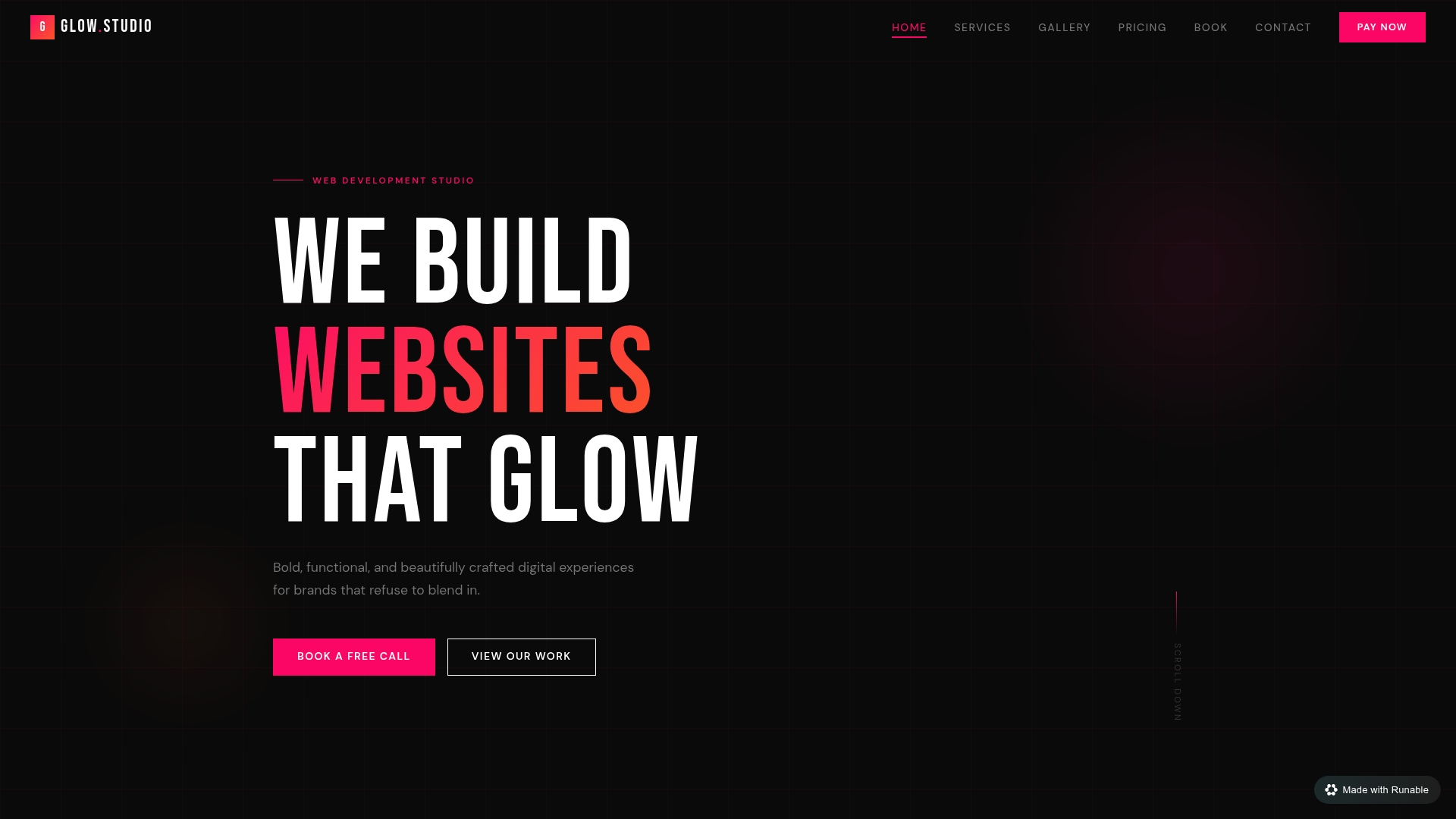
Glimmer Tech's web design services cover everything from initial strategy and visual design to development, e-commerce, and SEO. With a 98% client satisfaction rate and a track record of measurable results, Glimmer Tech gives small business owners a site they can depend on. If your current website is not generating leads or reflecting the quality of your business, that is the problem Glimmer Tech solves.
FAQ
What does web design mean in simple terms?
Web design is the process of planning and creating the visual layout, structure, and user experience of a website. It covers everything a visitor sees and interacts with, from the color scheme and typography to the navigation menu and page layout.
Is web design the same as web development?
No. Web design focuses on how a site looks and how users interact with it, while web development focuses on the code that makes the site function. Many projects require both, but they are distinct disciplines with different skill sets and tools.
What makes good web design for a small business?
Good web design prioritizes clarity, fast load times, mobile responsiveness, and a clear path to conversion. For small businesses, simplicity and usability consistently outperform visual complexity.
How is web design different from graphic design?
Web design is dynamic, handling interactive systems and fluctuating content, while graphic design produces static visual assets like logos and print materials. A web designer thinks about user flow and behavior; a graphic designer focuses on visual composition.
Do I need a professional web designer or can I do it myself?
Platforms like Squarespace and Wix make basic sites accessible to non-designers, but professional web design delivers measurable advantages in conversion rates, brand credibility, and scalability. For businesses where the website is a primary sales channel, professional design pays for itself.