
A construction portfolio website is the single most effective tool for winning new clients without a cold call. The ability to showcase construction projects online has shifted from a nice-to-have to a direct driver of revenue for small builders and contractors. Platforms like ArcGIS, WhiteHelmet, and Mapme now let you display construction work online with live data, interactive maps, and 3D dashboards that go far beyond a folder of job site photos. This guide covers the tools, content strategies, and real-time technologies that turn your project history into a client-converting digital asset.
What tools and platforms can you use to showcase construction projects online?
The right platform depends on your goal: broad visibility, client trust, or technical transparency. Each category serves a different purpose, and the strongest online portfolios for builders use at least two.
Social media platforms are the fastest way to reach new audiences. Instagram and Pinterest are the top choices for construction professionals because both platforms are built around images and short videos. Instagram Stories and Reels let you post real-time progress clips that build anticipation before a project wraps. Pinterest boards work well for organizing completed projects by type, such as commercial builds, renovations, or custom homes.

Dedicated portfolio websites give you full control over presentation and SEO. A purpose-built site lets you organize projects by category, add client testimonials, and embed video walkthroughs. Unlike social media, your website is an asset you own. Glimmer Tech builds portfolio sites specifically for construction businesses, with layouts designed to convert visitors into inquiries.
Advanced GIS and progress platforms are where the digital presentation of construction gets genuinely impressive. ArcGIS supports live 3D construction dashboards that integrate BIM data with real-time status indicators. WhiteHelmet offers similar intelligence for field teams. Mapme provides interactive portfolio maps with filters for location, project type, status, and category, giving clients an instant visual sense of your scale and reach.
| Platform | Best for | Technical skill needed |
|---|---|---|
| Instagram / Pinterest | Real-time visual updates | Low |
| Portfolio website | Full project presentation | Low to medium |
| Mapme interactive map | Geographic project overview | Low |
| ArcGIS dashboard | Live 3D progress tracking | Medium to high |
| WhiteHelmet | Field intelligence and reporting | Medium |
Pro Tip: Start with a portfolio website and one social media channel. Add interactive maps or dashboards once you have at least five completed projects to display.
How to create an engaging online portfolio for builders
A strong online portfolio for builders does three things: it proves your quality, answers client questions before they ask, and ranks in search results. Most construction portfolios fail on at least two of those three.
High-quality visuals are non-negotiable. Professional photography of completed projects costs a few hundred dollars per shoot and pays back many times over in client conversions. Video walkthroughs, especially short ones under two minutes, outperform static galleries because they show scale and craftsmanship in ways photos cannot. Time-lapse videos of a build from foundation to finish are among the most shared content types in the construction space.
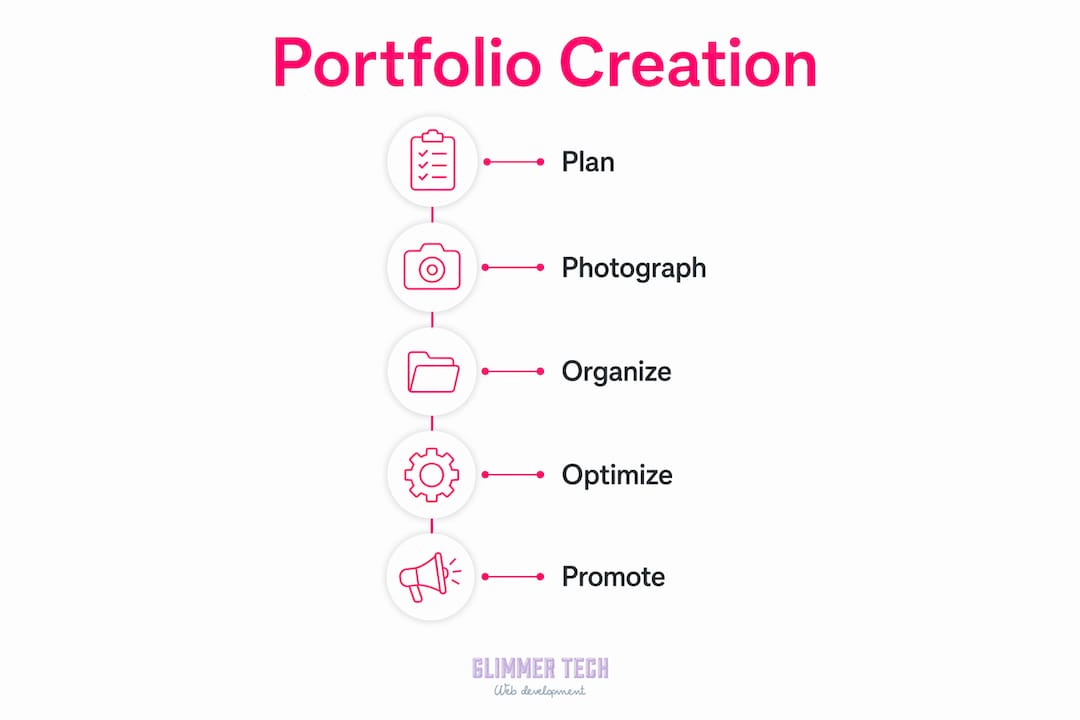
Project details matter as much as photos. Each portfolio entry should include the project type, location, timeline, materials used, and any unique challenges you solved. Clients are not just buying a finished product. They are buying your problem-solving process. A brief written description of how you handled a difficult site condition or an unusual client request builds more trust than ten photos alone.
Key elements every portfolio entry should include:
- Before-and-after photo sets
- A short project summary (100–150 words)
- Client testimonial or quote
- Project timeline and scope
- Any awards, certifications, or notable features
SEO is what makes your portfolio findable. Keyword-rich descriptions, alt text for images, and mobile-friendly design are the three baseline practices that push your portfolio up in search results. A project page titled "Custom Home Build in Austin, Texas" with a proper description will rank far better than a page titled "Project 14." Glimmer Tech's guide to construction website SEO covers this in detail for 2026.
Pro Tip: Add a dedicated "Projects" page to your site with filtering by project type or location. Clients searching for a specific type of build will find you faster, and Google rewards well-organized site structure.
How to leverage real-time progress technologies for ongoing projects
Real-time progress tracking is the most underused tool in the construction industry's digital toolkit. Most builders still send weekly email updates with attached photos. That approach is slow, manual, and easy to ignore.
Modern platforms replace that workflow entirely. WhiteHelmet's GIS 3D system reduces project reporting from 5 people working 5 days down to 1 person in 1 day. That is not a minor efficiency gain. It means your team spends almost no time on reporting and your clients get better information faster.
ArcGIS takes this further with full 3D dashboard integration. Project executives can update and view progress in under 30 seconds without any technical training. The dashboard pulls BIM data and overlays real-time status indicators, so a client can see exactly which phase of construction is active at any moment.
Benefits of integrating real-time dashboards into your client-facing presence:
- Clients can check progress without calling or visiting the site
- Stakeholders get a consistent, accurate view of project status
- You reduce miscommunication and scope disputes
- Live data builds trust in a way that static updates never can
- Dashboards can be embedded directly into your website or a private client portal
AI-analyzed drone imagery adds another layer. Drones capture site footage, and AI tools process that footage to flag progress milestones, identify potential delays, and generate visual reports automatically. This technology is now accessible to mid-size construction firms, not just large contractors.
| Technology | Primary benefit | Client-facing use |
|---|---|---|
| ArcGIS 3D dashboard | Live BIM-integrated progress view | Embed in client portal |
| WhiteHelmet GIS 3D | Rapid field reporting | Share progress reports |
| AI drone imagery | Automated milestone detection | Visual progress updates |
| Mapme portfolio map | Geographic project visualization | Public-facing portfolio |
Interactive dashboards reduce the need for onsite visits by giving clients a transparent, real-time project overview. Fewer site visits means fewer interruptions to your crew and a smoother client relationship.
Pro Tip: If you are not ready for a full ArcGIS integration, start with a simple client portal page on your website that you update weekly with photos and a short status note. It signals professionalism and keeps clients engaged.
What creative storytelling techniques make your project showcase stand out?
The best virtual construction project galleries tell a story. They do not just show a finished building. They show the problem, the process, and the result. That narrative structure is what makes a potential client feel confident enough to call.
Document milestones, not just completions. Post a short blog entry or social media update at each major phase: groundbreaking, framing, roofing, interior finish. Each post gives you fresh content and keeps your audience engaged over the full project timeline. A six-month build can generate 12 or more pieces of content if you plan it right.
Before-and-after content is the highest-performing format in the construction space. A side-by-side photo of a deteriorated commercial space and its finished renovation tells the story instantly. Time-lapse videos compress months of work into 60 seconds and consistently generate strong engagement on social media.
Partnerships multiply your reach. Collaborating with clients and subcontractors for cross-promotion expands your audience beyond your own network. When a client shares your project on their business page, their followers see your work. When a subcontractor tags you in a post about a project you shared, both audiences grow. This kind of earned visibility costs nothing and carries more credibility than paid advertising.
Additional storytelling tactics that work:
- Sneak peek posts before a project reveal to build anticipation
- Short interviews with clients about their experience
- Behind-the-scenes content showing your crew and process
- Highlighting unique design choices or materials that set a project apart
Pro Tip: Create a simple content calendar for each active project. Assign one team member to capture photos and short video clips at each milestone. Consistency matters more than production quality at the social media level.
Key takeaways
A dedicated portfolio website combined with real-time progress tools is the most effective way to display construction work online and convert visitors into clients.
| Point | Details |
|---|---|
| Start with the right platforms | Use a portfolio website plus one social channel before adding advanced tools like ArcGIS or Mapme. |
| Build portfolio entries with depth | Include project summaries, client quotes, timelines, and before-and-after visuals for every project. |
| Use real-time tools for transparency | Platforms like WhiteHelmet and ArcGIS cut reporting time and give clients live project visibility. |
| Tell stories, not just show photos | Document milestones, use time-lapse content, and partner with clients for cross-promotion. |
| Optimize for search from day one | Apply SEO basics including keyword descriptions, image alt text, and mobile-friendly design to every portfolio page. |
What I have learned from watching builders go digital
I have worked with enough construction businesses to spot the pattern. The ones who grow fastest online are not the ones with the biggest budgets or the fanciest equipment. They are the ones who treat their digital presence as a living record of their work, not a one-time setup task.
The biggest mistake I see is the "launch and forget" approach. A builder invests in a solid website, adds five project photos, and then never touches it again. Six months later, they wonder why the phone is not ringing. Search engines reward fresh content. Clients want to see recent work. A portfolio that stops at 2023 signals to a potential client that you may not be active.
The second mistake is underestimating how much clients care about process, not just results. I have seen simple "how we work" pages outperform polished project galleries in terms of inquiry conversion. Clients are nervous about hiring a contractor. They want to know what working with you actually feels like. A short video of your project manager walking through a job site, explaining what is happening, does more for trust than a dozen finished photos.
The technology side is genuinely exciting right now. Tools like ArcGIS and WhiteHelmet were enterprise-only products a few years ago. They are now accessible to small and mid-size firms. The builders who adopt them early will have a real advantage in client communication and transparency. That advantage shows up directly in repeat business and referrals.
My honest advice: pick one new digital tool this quarter and commit to using it consistently for 90 days. Track whether it generates inquiries or client feedback. Build from there.
— Annie
How Glimmer Tech helps construction businesses stand out online
Building a strong digital presence takes more than a basic website. Glimmer Tech designs and builds portfolio sites specifically for construction professionals, with layouts that highlight your best projects, convert visitors into leads, and rank in search results.
If you are ready to move beyond a static page and build a site that actually works for your business, Glimmer Tech delivers professional web solutions built around your projects and your clients. Every site is designed for performance, mobile use, and search visibility. You can also explore the construction website setup guide to understand what a high-performing builder site looks like before you start.
FAQ
What is the best platform to showcase construction projects online?
A dedicated portfolio website is the strongest foundation, supported by Instagram or Pinterest for real-time visual updates. Advanced tools like ArcGIS and Mapme add interactive and live-data capabilities for firms ready to go further.
How do interactive portfolio maps help construction businesses?
Interactive portfolio maps let clients filter your projects by location, type, and status on a single visual map. This gives potential clients an immediate sense of your geographic reach and project variety.
How does real-time dashboard technology improve client communication?
Platforms like ArcGIS allow clients to view live 3D project progress without visiting the site. This reduces onsite interruptions and builds transparency, which directly supports client trust and retention.
What SEO basics should every construction portfolio include?
Every project page needs a keyword-rich title and description, descriptive alt text on all images, and a mobile-friendly design. These three practices are the baseline for ranking in local search results.
How often should I update my online construction portfolio?
Add a new project or milestone update at least once per month. Search engines favor active sites, and clients want to see that your business is currently producing work.